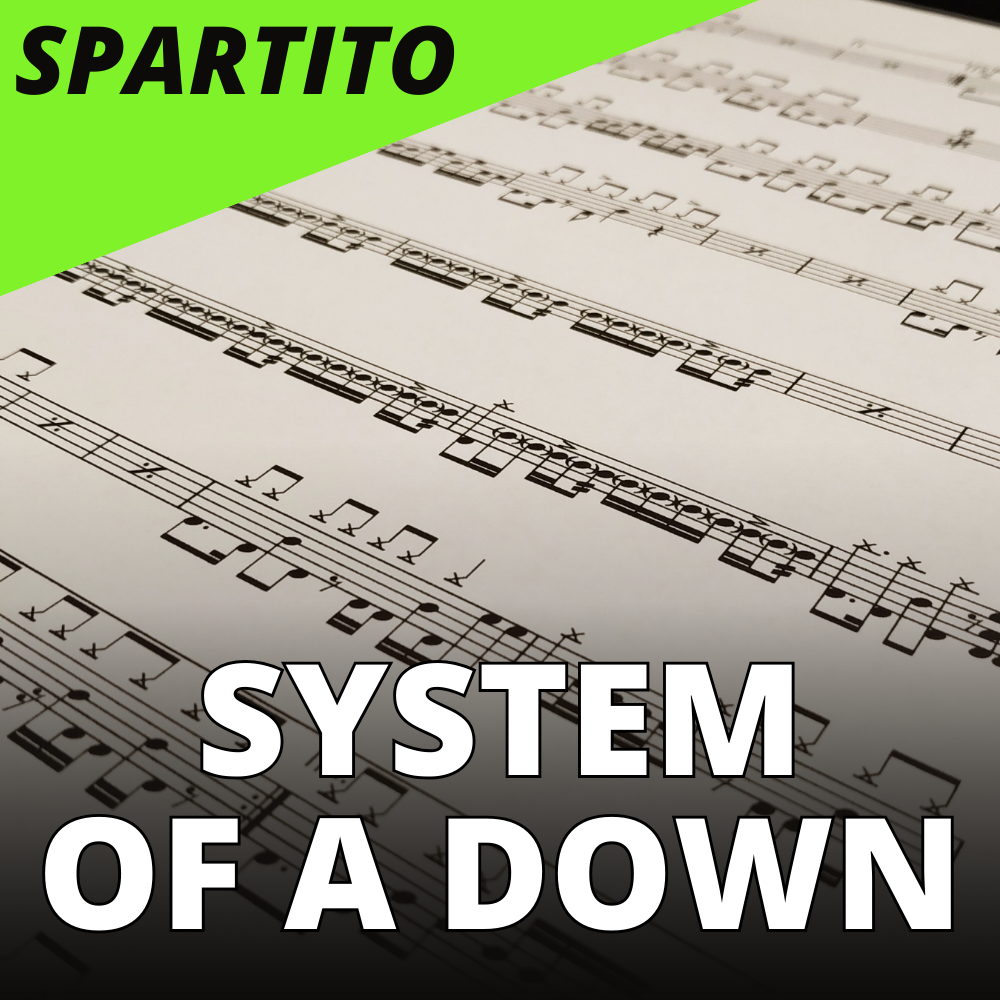


System of down - Psycho (drum sheet music)
System of down - Psycho (drum sheet music)
Impossibile caricare la disponibilità di ritiro
🇮🇹 System of a Down – Psycho
Scheda brano
Titolo: Psycho
Artista: System of a Down
Album: Toxicity (2001)
Autori: Daron Malakian, Serj Tankian, Shavo Odadjian, John Dolmayan
Genere: Alternative Metal / Nu Metal / Experimental Rock
Durata: 3:45
Etichetta: American Recordings / Columbia Records
Produzione: Rick Rubin, Daron Malakian
Identità sonora.
“Psycho” è uno dei brani più taglienti e “da mosh pit” dei System of a Down: compatto, nervoso, pieno di tensione ritmica e con un riff che sembra fatto apposta per far saltare la folla. Il sound è secco e aggressivo, con chitarre distorte che alternano colpi pesanti e momenti più “aperti”, mantenendo sempre una sensazione di instabilità. È un pezzo che unisce l’impatto del metal a quell’attitudine quasi punk e sarcastica tipica dei SOAD, dove ogni sezione sembra pronta a cambiare forma senza preavviso.
Significato e narrazione.
Il testo è un ritratto distorto e ironico di una figura “psycho”, ma come spesso accade nei System of a Down, non è solo un personaggio: è una lente per parlare di alienazione, di società, di ossessioni collettive. Le frasi sono spezzate, ripetitive, quasi deliranti, e danno l’impressione di una mente che gira a vuoto, intrappolata in un loop. C’è sarcasmo, ma anche inquietudine: la canzone sembra ridere e urlare allo stesso tempo, trasformando il caos in un messaggio emotivo molto preciso.
Architettura musicale.
La struttura è costruita su contrasti fortissimi. Le strofe sono tese e serrate, con un riff che martella e lascia poco spazio al respiro, mentre i ritornelli aprono improvvisamente la dinamica, diventando più larghi e cantabili, quasi come un grido collettivo. Il brano gioca molto con stop, ripartenze e cambi di intensità, senza perdere mai coerenza. È come un alternarsi continuo tra compressione e rilascio: ti stringe e poi ti lascia esplodere, e lo fa più volte in modo sempre efficace.
Atmosfera strumentale.
L’arrangiamento è essenziale ma violentemente efficace. La chitarra guida con riff ripetitivi e pesanti, mentre il basso segue compatto, creando un muro sonoro che sostiene tutta la pressione del brano. Le voci alternano aggressività e fraseggi più melodici, con quel tipico incastro SOAD che rende ogni sezione riconoscibile e teatrale. L’atmosfera è frenetica, quasi isterica, ma sempre controllata: un caos organizzato che diventa identità sonora.
Groove e batteria.
La batteria in “Psycho” è un motore brutale e preciso. Il groove è pesante, spesso basato su pattern rock/metal molto diretti, con cassa e rullante che lavorano come un martello sul tempo. L’hi-hat è serrato e aggressivo nelle strofe, mentre nei ritornelli i crash aprono tutto e aumentano l’impatto. I fill sono brevi, secchi, spesso usati per sottolineare gli stacchi e lanciare le ripartenze. La cosa più importante è la tightness: la batteria deve essere incollata al riff, perché è proprio l’unione tra chitarra e batteria a creare quella sensazione di “treno impazzito” tipica del brano.
Valore didattico per il batterista.
Studiare “Psycho” è perfetto per allenare precisione, resistenza e controllo degli stop & go nel metal alternativo. Il brano richiede colpi forti e puliti, tempo stabile e capacità di gestire cambi dinamici netti senza perdere solidità. È ideale per lavorare su groove aggressivo, coordinazione cassa-rullante, crash management e fill corti di transizione. Una lezione fondamentale: nei System of a Down, la batteria deve essere una macchina da guerra… ma con un cervello musicale sempre acceso.
🇬🇧 System of a Down – Psycho
Track details
Title: Psycho
Artist: System of a Down
Album: Toxicity (2001)
Songwriters: Daron Malakian, Serj Tankian, Shavo Odadjian, John Dolmayan
Genre: Alternative Metal / Nu Metal / Experimental Rock
Length: 3:45
Label: American Recordings / Columbia Records
Production: Rick Rubin, Daron Malakian
Sound identity.
“Psycho” is one of System of a Down’s sharpest, most mosh-pit-ready tracks — tight, nervous, rhythmically tense, with a riff built to make a crowd explode. The sound is dry and aggressive, with distorted guitars switching between heavy punches and more open moments, always keeping a sense of instability. It blends metal impact with SOAD’s punk-like, sarcastic attitude, where every section feels ready to shift shape without warning.
Meaning and narrative.
The lyrics paint a distorted, ironic portrait of a “psycho,” but as with many SOAD songs, it’s more than a character — it’s a lens on alienation, society and collective obsession. The lines are fragmented, repetitive, almost delirious, giving the feeling of a mind trapped in a loop. There’s humor, but also unease: the song seems to laugh and scream at the same time, turning chaos into a very specific emotional message.
Musical architecture.
The structure is built on strong contrasts. Verses are tight and tense, driven by a hammering riff with little room to breathe, while choruses suddenly open up dynamically, becoming wider and more singable — almost like a collective shout. The track plays with stops, restarts and intensity shifts while staying coherent. It constantly alternates compression and release: it squeezes you, then lets you explode, and repeats the cycle with great impact.
Instrumental atmosphere.
The arrangement is essential but brutally effective. Guitar leads with heavy, repetitive riffs, while bass stays locked in, building a solid wall of sound. Vocals move between aggression and more melodic phrasing, with that signature SOAD interplay that makes each section theatrical and instantly recognizable. The atmosphere is frantic and almost hysterical, yet always controlled — organized chaos as a sonic identity.
Groove and drumming.
Drums in “Psycho” are a brutal and precise engine. The groove is heavy, often based on direct rock/metal patterns, with kick and snare hitting like a hammer. Hi-hat stays tight and aggressive in the verses, while crash cymbals open up the chorus for maximum impact. Fills are short and sharp, used to mark cuts and launch restarts. The key element is tightness: drums must be glued to the riff, because the guitar-drum lock is what creates the song’s “runaway train” feeling.
Educational value for drummers.
“Psycho” is excellent study material for building precision, endurance and stop-and-go control in alternative metal. It demands strong clean strokes, steady time and the ability to handle sharp dynamic shifts without losing solidity. Ideal for practicing aggressive groove, kick-snare coordination, crash control and short transition fills. A key lesson: in System of a Down, drums must be a war machine — but with a constantly alert musical brain.
Share